Prophylactic Gastropexy: Preventing Bloat in Mountain Dogs
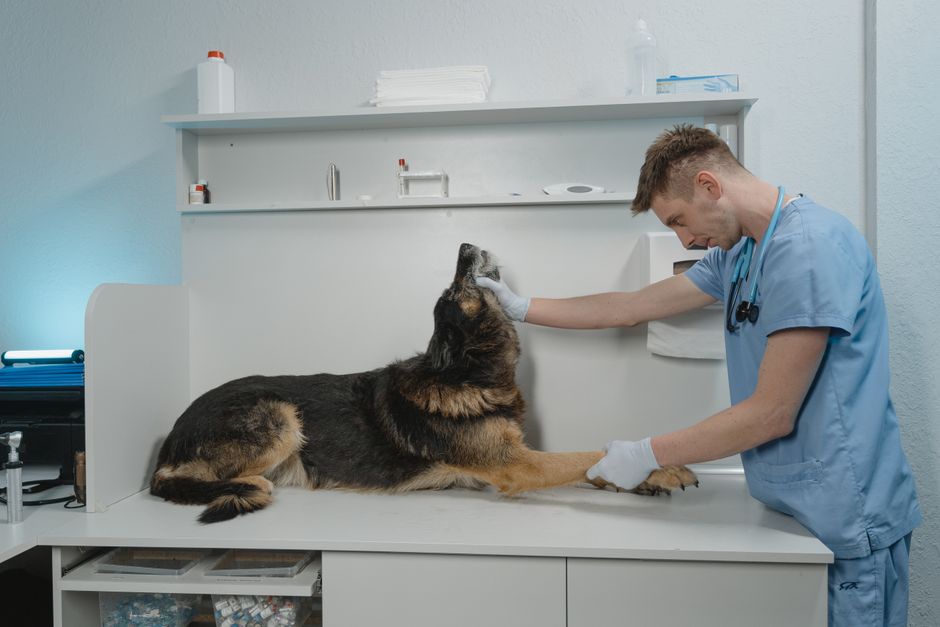
Prophylactic Gastropexy: Preventing Bloat in Mountain Dogs
If you share your home with a large or deep-chested dog in Summit County, you may have heard about the risk of bloat—a sudden, life-threatening condition that can affect beloved canine companions, especially those living active lives in Colorado’s high country. The idea of your dog facing an emergency like gastric dilatation-volvulus (GDV) is frightening, but advances in veterinary medicine mean that preventive options are available. Prophylactic gastropexy is a surgical procedure that can dramatically reduce your dog’s risk of developing bloat. At Passion Fur Paws, our mobile veterinary team offers this service in the comfort of your home or at our stationary care site, providing compassionate, stress-free care wherever you and your pet are most comfortable. This article will help you understand what bloat is, why dogs in our mountain communities are especially at risk, how prophylactic gastropexy works, and how our team in Summit County can help keep your dog healthy and safe.
Recognizing the Signs of Bloat in Dogs
Bloat, medically known as gastric dilatation-volvulus (GDV), is a condition where a dog’s stomach fills with gas and can twist on itself, causing a life-threatening emergency. Pet owners should be aware of the early warning signs, as quick recognition and action are crucial. Symptoms include a suddenly distended or hard abdomen, unproductive retching or attempts to vomit, restlessness or pacing, drooling more than usual, and signs of pain or discomfort such as whining or looking at the belly. As bloat progresses, dogs can develop rapid breathing, pale gums, collapse, or even go into shock. If you notice these symptoms in your dog, especially if they are a large or deep-chested breed, immediate veterinary intervention is essential.
Why Are Mountain Dogs at Risk? Understanding Bloat and Its Causes
Living in Summit County and the surrounding mountain areas offers pets and their owners a unique lifestyle, but the high altitude, climate, and active routines can play a role in the risk of bloat. Dogs who are large or deep-chested—such as Great Danes, German Shepherds, Standard Poodles, Boxers, and Labrador Retrievers—are naturally more susceptible. Factors that contribute to bloat include eating or drinking large amounts quickly, exercising vigorously right after meals, stress, age, and even genetics. Some research suggests that the lower oxygen levels at higher elevations may also affect how a dog's gastrointestinal tract manages gas, potentially increasing the risk of GDV in mountain dogs. Owners who enjoy hiking, skiing, or outdoor adventures with their pets should be especially mindful of these risks.
What Is Prophylactic Gastropexy? How Preventive Surgery Protects Your Dog
Prophylactic gastropexy is a surgical procedure designed to prevent the stomach from twisting in the event of bloat. The veterinarian attaches a portion of the stomach wall to the abdominal wall, creating a permanent connection that keeps the stomach in place. This means that although a dog’s stomach may still fill with gas, it is much less likely to rotate—dramatically reducing the chance of a life-threatening emergency. The surgery is commonly performed at the same time as a spay or neuter, but it can also be done separately for at-risk dogs, whether young or mature. At Passion Fur Paws, our veterinary team provides prophylactic gastropexy as a preventive measure, using gentle techniques and modern anesthesia to ensure your dog’s safety and comfort during the procedure.
What to Expect During and After the Procedure
When you choose prophylactic gastropexy for your dog, the process begins with a thorough health assessment to ensure they are a good candidate for surgery. On the day of the procedure, our mobile veterinary team can perform the surgery in the comfort of your home or at our stationary care location, depending on what is safest and most convenient for your family. The surgery itself is done under general anesthesia, often alongside spay or neuter surgery to minimize your dog’s time under anesthesia. Recovery typically involves a period of rest and limited activity, with pain management and clear aftercare instructions provided by our veterinarians. Most dogs recover quickly and are back to their normal routines within a couple of weeks, with the peace of mind that comes from dramatically reduced bloat risk.
Prevention at Home: Reducing Your Dog’s Risk of Bloat
While prophylactic gastropexy offers the best protection against life-threatening stomach twisting, there are several practical steps you can take to minimize your dog’s overall risk of bloat at home. Feeding your dog smaller, more frequent meals rather than one large meal a day can help, as can using slow-feeder bowls to discourage gulping. It’s also wise to limit vigorous exercise right before and after meals, and to ensure your dog always has access to fresh water but does not drink huge amounts all at once. Managing stress, especially for dogs who are anxious or reactive, and maintaining a healthy weight can also contribute to overall gastrointestinal health. However, it’s important to remember that even with the best home care, certain breeds and individuals remain at high risk, which is why discussing prophylactic gastropexy with your veterinarian is so important.
When Should You Consider Prophylactic Gastropexy for Your Dog?
The decision to pursue prophylactic gastropexy is best made in partnership with a trusted veterinary team. If your dog is a large or deep-chested breed, has a family history of bloat, or participates in active outdoor adventures in high-altitude environments like Summit County, this preventive surgery may be recommended. Many owners choose to combine the procedure with routine surgeries such as spay or neuter, but it can also be performed at any age if your dog is determined to be a suitable candidate. If you notice any signs of bloat—such as abdominal distension, unproductive retching, or sudden distress—seek emergency veterinary care immediately. For more information about urgent situations, you can visit our emergency veterinary care page.
Why Choose Passion Fur Paws for Prophylactic Gastropexy in Summit County?
At Passion Fur Paws, we understand how much you value the health, happiness, and companionship of your dog. Our mobile veterinary service is designed to bring high-quality, compassionate care straight to your door, reducing the stress that many pets experience during traditional clinic visits. We offer comprehensive preoperative assessments, advanced surgical techniques, and attentive post-operative support—all tailored to your dog’s unique needs and your family’s lifestyle. Whether you live in Summit County or the surrounding communities, we are committed to providing expert guidance on preventive care like prophylactic gastropexy, helping you make informed decisions to protect your dog for years to come.
Take the Next Step: Schedule a Consultation with Our Mobile Vet Team
Prophylactic gastropexy can be a life-saving choice for dogs at risk of bloat, especially those living in Colorado’s high country. If you’re concerned about your dog’s risk, or if you simply want peace of mind before your next mountain adventure, reach out to our veterinarians at Passion Fur Paws. We deliver in-home care that prioritizes your pet’s comfort and your convenience, serving families throughout Summit County and nearby areas. To learn more or to schedule a consultation, call (970) 210-6674 or visit our prophylactic gastropexy service page. When searching for a mobile vet near me, know that our team is ready to help you and your dog enjoy a safer, healthier life in the mountains.
If you ever face an urgent situation or have questions about bloat or other emergencies, please explore our emergency veterinary care resources. Your dog’s well-being is our highest priority, and we are honored to be your trusted veterinary partner in Summit County.
This article is provided for informational purposes only and does not replace professional veterinary evaluation. If you have concerns about your dog’s health, please consult with a veterinarian.