Is Prophylactic Gastropexy Right for Your Dog in Summit County?
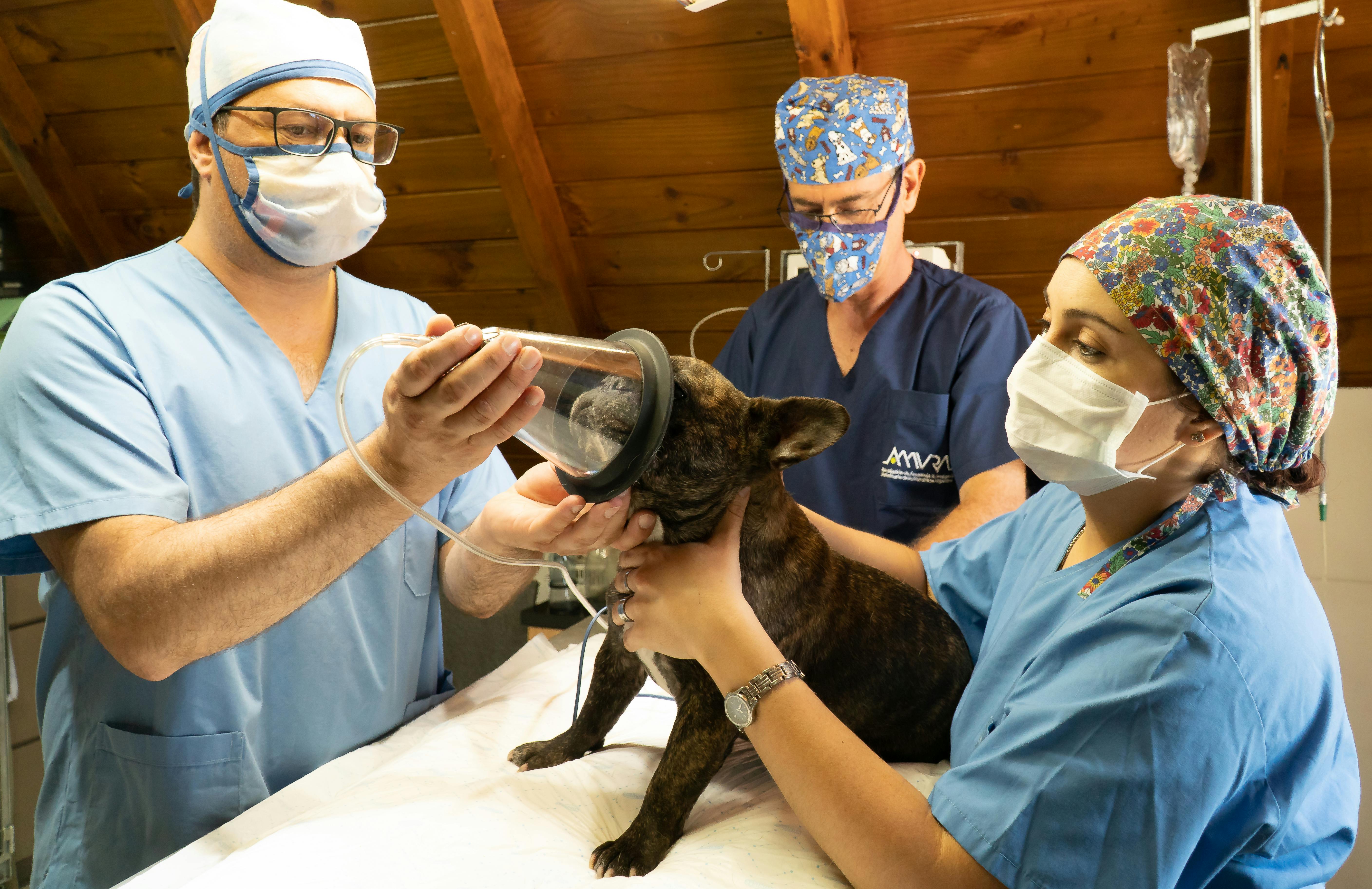
Is Prophylactic Gastropexy Right for Your Dog in Summit County?
If you share your home with a large-breed or deep-chested dog, you may have heard about the risk of bloat, or gastric dilatation-volvulus (GDV)—a sudden, life-threatening emergency that can strike without warning. The thought of this condition can cause immense worry for pet owners in Summit County and surrounding mountain communities. But what if there was a way to help prevent this devastating emergency before it starts? Prophylactic gastropexy is a surgical procedure that can protect at-risk dogs from bloat, and thanks to the mobile veterinary team at Passion Fur Paws, this advanced solution is now available in the comfort of your own home or through our convenient stationary care options. In this blog, we’ll help you understand what bloat is, why certain dogs are at higher risk, how prophylactic gastropexy works, and why in-home care can make the process easier and less stressful for both you and your dog. We’ll also explain when this surgery might be right for your companion and how to get started with our compassionate veterinary professionals here in Summit County.
Recognizing the Risk: Is Your Dog a Candidate for Prophylactic Gastropexy?
Bloat, or GDV, is a condition where the stomach rapidly fills with gas and can twist on itself, cutting off blood supply and trapping contents inside. This can be fatal within hours, making awareness and prevention crucial for dog owners. Large-breed and deep-chested dogs—such as Great Danes, Standard Poodles, German Shepherds, Dobermans, and Weimaraners—are especially vulnerable to GDV. If your dog fits into one of these breeds or has a similarly deep chest, they are automatically considered higher risk for developing bloat.
Typical signs of bloat develop suddenly and may include a swollen or hard abdomen, unproductive retching, restlessness, drooling, and signs of pain such as pacing, whining, or trying to vomit without producing anything. If you notice these symptoms, emergency veterinary care is needed immediately. However, even with rapid intervention, outcomes can be uncertain, which is why prevention is so important.
Many pet owners wonder if their dog is at risk if they don’t match the classic large-breed profile. While GDV is most common in larger, deep-chested dogs, any dog can theoretically develop bloat. That said, the risk is much lower in small breeds and breeds without a deep chest. If you are unsure about your dog’s risk, our veterinary team can help assess your dog’s body type and discuss whether prophylactic gastropexy might be appropriate.
Understanding Bloat: What Causes GDV in Dogs?
To understand why prophylactic gastropexy is such a valuable preventive tool, it helps to know what causes bloat in the first place. GDV occurs when the dog’s stomach fills rapidly with air, food, or fluid and then twists (volvulus), trapping everything inside. This twist can cut off blood supply to the stomach and nearby organs, leading to shock and, without treatment, death.
While the exact cause is not fully understood, certain risk factors make GDV more likely. These include being a large or giant breed, having a deep chest, having close relatives who have experienced GDV, eating rapidly, consuming a single large meal per day, and experiencing stress or anxiety. In Summit County, where many families enjoy active lifestyles with their dogs, rapid post-exercise drinking or eating can also contribute.
It’s important to note that while preventive steps can lower risk, no intervention other than surgery can eliminate the chance of bloat entirely in predisposed dogs. This is where the value of prophylactic gastropexy comes in—offering a surgical safeguard against the most dangerous aspect of GDV.
How Prophylactic Gastropexy Protects Your Dog
Prophylactic gastropexy is a surgical procedure that attaches your dog’s stomach to the body wall, preventing it from twisting if bloat occurs. This means that even if your dog’s stomach becomes distended with gas, it won’t rotate and trap contents inside—a process that is what makes GDV so deadly. The procedure does not prevent the stomach from filling with gas, but it dramatically reduces the risk of life-threatening volvulus.
Our mobile veterinary team at Passion Fur Paws brings this advanced surgical service directly to your home or to a convenient stationary care location, eliminating the need for stressful travel and unfamiliar clinic environments. By providing in-home surgical care, we make the process as calm and comfortable as possible for your dog and your family. The surgery can often be performed at the same time as other planned procedures, such as a spay or neuter, making recovery easier and reducing anesthesia events. For more details about the surgical process and what to expect, visit our page on pet soft tissue surgery.
Timing: When Should Prophylactic Gastropexy Be Performed?
The best time for prophylactic gastropexy is typically when your dog is young and healthy, often coinciding with spay or neuter surgery. However, adult dogs can also benefit from this procedure, especially if they are at higher risk or have a family history of bloat. If your dog is approaching middle age and you are concerned about risk, our veterinary professionals can discuss whether surgery is appropriate based on your dog’s health status and lifestyle.
Home Care and Prevention: Lowering Your Dog’s Risk
While prophylactic gastropexy is the most reliable way to prevent the life-threatening twist of GDV, there are additional steps you can take at home to promote digestive health and reduce risk. Feeding two or more smaller meals per day instead of one large meal is a good practice. Using slow-feed bowls can help dogs who eat rapidly, and waiting at least an hour after vigorous exercise before offering food or water is also recommended. Avoiding stressful situations around mealtime, such as feeding with other dogs nearby, can help reduce competitive, rapid eating.
If your dog has already undergone prophylactic gastropexy, it is still important to monitor for signs of bloat. While the stomach cannot twist, it can still become distended with gas, which is uncomfortable and may require veterinary attention.
When to Seek Veterinary Care
Bloat can become deadly within hours, so immediate veterinary care is critical if your dog shows signs of a bloated abdomen, repeated unproductive retching, restlessness, or sudden distress. Do not attempt to treat bloat at home—contact your veterinarian or an emergency service as soon as possible. If you are in Summit County or nearby communities and need urgent advice, our mobile veterinary team is here to help guide you through the next steps and provide prompt care when possible. For situations where you suspect bloat or other emergencies, you can learn more about our emergency veterinary care services.
For less urgent situations, such as concerns about your dog’s risk factors or questions about surgery, scheduling an in-home consultation allows your dog to be evaluated in a comfortable, familiar environment. Our veterinary team can perform a thorough risk assessment, discuss your dog’s unique needs, and help you make an informed decision about prophylactic gastropexy.
The Benefits of In-Home Prophylactic Gastropexy With Passion Fur Paws
Choosing in-home veterinary care offers significant advantages for both you and your dog. Many dogs—especially those who are anxious, large, or have mobility challenges—find travel to a clinic stressful. By bringing advanced surgical care to your doorstep, we ensure your dog remains calm and comfortable throughout the process. Our mobile team is equipped with the latest technology for anesthesia, monitoring, and post-operative care, so you can feel confident your dog is receiving the same high standard of care as in a traditional clinic setting.
We understand how important it is for pet owners in Summit County to have access to advanced preventive care without sacrificing convenience or peace of mind. Whether you live in Frisco, Breckenridge, Silverthorne, or elsewhere in the region, our mobile veterinary services are designed to fit your busy lifestyle and prioritize your dog’s wellbeing.
Is Prophylactic Gastropexy Right for Your Dog? Next Steps for Summit County Pet Owners
If you are worried about bloat or have a large-breed, deep-chested dog, prophylactic gastropexy could be a lifesaving option. The veterinary professionals at Passion Fur Paws are here to support you every step of the way, from assessing your dog’s risk and discussing surgical options to providing compassionate, stress-free home visits and follow-up care.
When searching for a mobile vet near me, consider the value of in-home care and the expertise of a team dedicated to your pet’s health and comfort. To discuss whether prophylactic gastropexy is right for your dog or to schedule an in-home consultation, contact our veterinary team today at (970) 210-6674 or visit us online. You can also explore more about prophylactic gastropexy and other advanced surgical options on our website. At Passion Fur Paws, we are proud to serve Summit County and surrounding communities, providing the preventive care your dog needs for a long, healthy, and happy life.
Medical Disclaimer: This blog provides general information and is not a substitute for professional veterinary advice. If you suspect your dog is experiencing an emergency or have concerns about their health, always contact a veterinarian immediately for guidance and care.