Is Your Cat or Dog Ready for Spring Hikes?

Is Your Cat or Dog Ready for Spring Hikes?
With spring bringing fresh mountain air and melting trails across Summit County, CO, many pet owners are eager to share outdoor adventures with their dogs or even adventurous cats. Whether you’re planning gentle walks around Frisco or tackling steep mountain hikes near Breckenridge, your pet’s safety and wellbeing come first. At Passion Fur Paws, our mobile veterinary team makes it easy to prepare your furry companion for hiking season by delivering comprehensive, stress-free care right in the comfort of your home. In this blog, we’ll walk you through how to assess your pet’s readiness for spring hikes, ways to prevent injuries, and the benefits of in-home veterinary checkups before hitting the trails.
You’ll learn how to recognize signs your pet may not be ready for strenuous activity, what steps you can take to condition your pet safely, and how our mobile veterinary services can help ensure your pet is healthy enough for outdoor fun. We’ll also cover important preventive care like vaccinations and heartworm testing, plus tips for keeping senior pets active and comfortable. By the end, you’ll feel confident that you and your pet can enjoy Summit County’s beautiful trails with peace of mind. If you’re considering a spring adventure with your dog or cat, our mobile team is here to help you every step of the way.
Recognizing When Your Pet May Not Be Ready for the Trail
Before you lace up your hiking boots and clip on your pet’s leash, it’s important to recognize whether your dog or cat is physically prepared for outdoor excursions. Not every pet is naturally suited for hiking, especially after a long winter indoors. Warning signs that your pet may need extra preparation include noticeable weight gain, lethargy, stiffness when rising or walking, and reluctance to exercise. You might also notice your pet panting excessively during short walks, slowing down on hills, or limping after activity. For cats, subtle signs like hiding, decreased interest in play, or hesitancy to jump can signal underlying issues that might make hiking unsafe.
If your pet is very young, a senior, or has a chronic health condition, you’ll need to be even more cautious. Puppies and kittens may not have fully developed bones and joints, making them prone to injury on rough terrain. Senior pets often experience arthritis, heart conditions, or dental issues that can limit their ability to keep up. Additionally, brachycephalic breeds such as Bulldogs and Persians are at higher risk of breathing difficulties during exertion, especially at higher elevations like those found in Summit County. Recognizing these signs early is the first step toward a safe and enjoyable hiking season.
Why Spring Hiking Can Challenge Your Pet’s Health
Spring in Summit County brings rapidly changing weather, melting snow, and fluctuating trail conditions—all of which can impact your pet’s comfort and safety. After months of reduced activity during winter, many pets lose muscle tone and cardiovascular fitness. The sudden increase in activity that comes with hiking can strain joints, muscles, and even the heart, especially if your pet is unaccustomed to exercise. In addition to physical challenges, spring hiking exposes your pet to environmental hazards such as ticks, mosquitoes, and allergens. These risks make comprehensive preventive care and conditioning even more important.
Altitude is another factor that can affect your pet’s health. The thin air in Summit County means less oxygen, which can make breathing harder for both pets and people. Dogs or cats with underlying heart or lung conditions may tire more quickly or show signs of respiratory distress. Additionally, melting snow and muddy trails can harbor bacteria and sharp debris, increasing the risk of paw injuries and infections. These unique mountain challenges mean that preparing your pet for spring hikes involves more than just enthusiasm—it requires thoughtful planning and veterinary guidance.
Conditioning and Professional Checkups: Setting Your Pet Up for Success
Gradually increasing your pet’s activity level is essential to prevent injury and build the stamina needed for longer hikes. Begin with short, easy walks and observe your pet’s response. Look for steady improvement in their energy, willingness to exercise, and ability to recover after outings. For dogs, pay attention to how they handle different surfaces, including gravel, mud, and rocky paths. For cats who enjoy harness walks, monitor their comfort with new environments and distances.
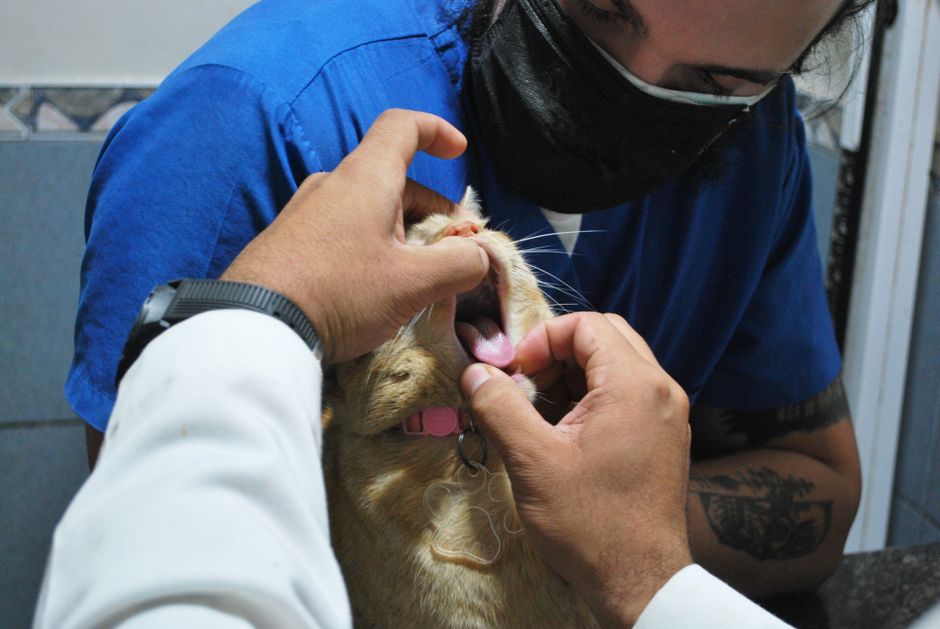
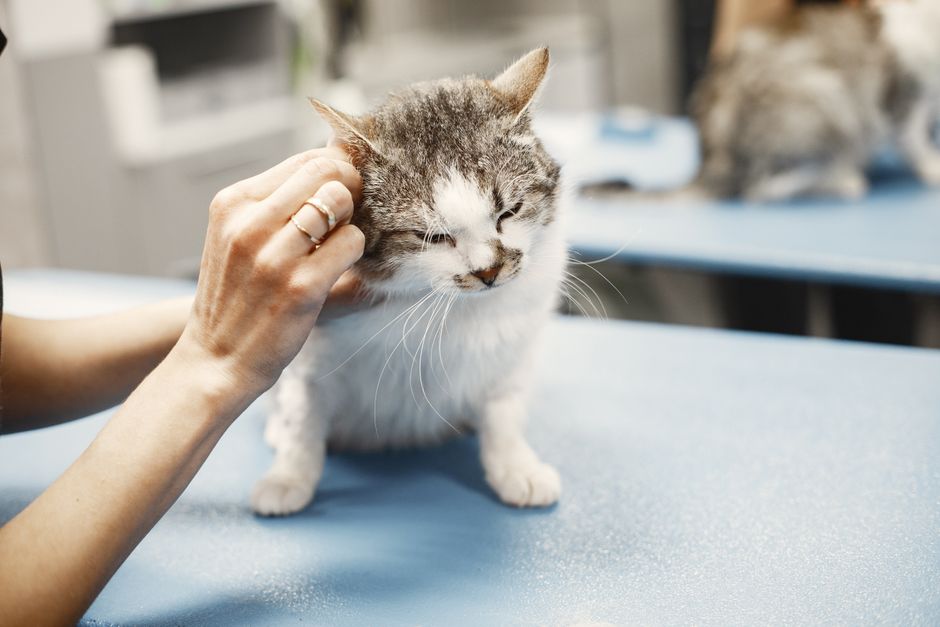
Before launching into a full hiking season, scheduling a veterinary examination is highly recommended. An in-home visit from our mobile team at Passion Fur Paws lets us perform a thorough health check without the stress of a traditional clinic. During this visit, we assess your pet’s heart, lungs, joints, and overall condition, and discuss their activity history. If needed, our mobile service provides advanced diagnostics, including digital radiology and laboratory testing, right in your home. We can also offer guidance on safe conditioning routines, tailored to your pet’s age, breed, and medical history.
If your pet is a senior, it’s especially important to address age-related concerns. Our senior pet care services include mobility assessments and pain management strategies to help older dogs and cats stay comfortable and active. For pets with previous injuries or chronic discomfort, our team may recommend therapies such as companion laser therapy to speed recovery and reduce inflammation, making hiking more enjoyable for your companion.
Preventive Care Essentials: Vaccinations, Parasite Protection, and More
A safe and healthy hiking season starts with up-to-date preventive care. Vaccinations are crucial for dogs and cats who spend time outdoors, as they protect against diseases that can be spread by wildlife or other animals on the trail. Core vaccines for dogs typically include distemper, parvovirus, and rabies, while cats need protection against feline viral rhinotracheitis, calicivirus, panleukopenia, and rabies. If your hikes take you into areas with high tick or mosquito populations, additional vaccines such as Lyme or leptospirosis for dogs may be recommended.
Parasite prevention is another critical step. Heartworm disease, transmitted by mosquitoes, is a growing concern even in mountainous regions. Our mobile team offers heartworm testing and can prescribe preventive medications to keep your pet safe. Flea and tick control products are also essential, especially in wooded or grassy areas where parasites thrive in the spring. We can help you choose the most effective and safe options for your pet’s lifestyle.
Annual wellness exams are the best way to catch health issues before they become serious. During an in-home checkup, we review your pet’s vaccination status, perform a nose-to-tail examination, and discuss nutrition, dental health, and any concerns you may have. Our pet examinations are designed to be comfortable for your pet and convenient for you, allowing for more relaxed, thorough conversations about your pet’s needs before your next adventure.
At-Home Steps to Prepare Your Pet for Hiking
Preparing your pet for hiking goes beyond veterinary care. At home, focus on building your pet’s endurance with daily walks that gradually increase in length and difficulty. Incorporate gentle inclines, varied terrain, and short bursts of brisk walking to mimic the demands of hiking trails. Always monitor your pet for fatigue, overheating, or signs of discomfort, such as limping or lagging behind.
Paw care is especially important on rocky or icy trails common in Summit County during spring. Check your pet’s paws after each walk for cuts, abrasions, or lodged debris. Conditioning your pet’s pads with short walks on different surfaces can help build resilience. For pets prone to allergies, regular grooming and bathing can minimize reactions to pollen or grasses encountered on the trail. If you suspect your pet may have environmental allergies, our team can provide allergy testing and discuss management options.
Hydration is another key factor. Always bring extra water for your pet and offer frequent rest breaks during outings. Never allow your pet to drink from stagnant puddles or streams, as these may contain harmful bacteria or parasites. A lightweight, collapsible water bowl is a great addition to your hiking pack. For longer hikes, pack healthy treats to maintain energy levels, but avoid overfeeding just before strenuous activity.
When to Call for Professional Help
Even with the best preparation, pets can experience injuries or health issues on the trail. Signs that require immediate veterinary attention include persistent limping, collapse, severe lethargy, pale gums, difficulty breathing, or sudden swelling of the face or limbs. Heatstroke is a life-threatening emergency in dogs and can develop quickly during warm spring days, especially in breeds with short noses or thick coats. Symptoms to watch for are excessive panting, drooling, vomiting, uncoordinated movement, and loss of consciousness.
If your pet is bitten or scratched by wildlife, develops a deep wound, or ingests something toxic, contact a veterinarian right away. Our mobile veterinary team offers emergency support in Summit County and surrounding communities, providing care in your home when your pet needs it most. For urgent situations, visit our emergency veterinary care page to learn more about what to do and how to reach us quickly. Always trust your instincts—if you’re worried about your pet’s health, it’s better to seek help early.
Choosing a Mobile Vet for Hiking Season Preparation
Mobile veterinary care offers unique advantages when gearing up for outdoor adventures. In-home visits reduce your pet’s anxiety, make exams more thorough, and give you the chance to discuss concerns in a relaxed environment. Our team at Passion Fur Paws proudly serves Summit County and the surrounding area, bringing advanced diagnostics, preventive care, and compassionate expertise straight to your door. Whether your pet needs a routine checkup, help with mobility, or fast emergency support, we’re here to help you and your pet enjoy every spring adventure with confidence.
When searching for a mobile vet near me, consider the convenience, personalized attention, and stress-free environment that a house call can provide. Our veterinary professionals understand the unique challenges of mountain living and are committed to supporting your pet’s health and happiness year-round.
Ready for Your Next Adventure? Schedule an In-Home Checkup Today
As spring unfolds across Summit County, don’t let uncertainty hold you or your pet back from enjoying the great outdoors. With the right preparation, conditioning, and support from our mobile veterinary team, your dog or cat can join you on the trails safely and comfortably. If you’re ready to schedule a wellness examination, update vaccinations, or address any health concerns before hiking season, Passion Fur Paws is here to help—right in the comfort of your home.
Visit our pet examinations page to learn more about our in-home checkups, or call us at (970) 210-6674 to book a visit. For questions about parasite prevention, injury recovery, or senior pet care, our team is always happy to provide guidance tailored to your pet’s needs. Let’s work together to make this spring’s adventures safe, memorable, and full of happy trails for you and your four-legged companion.
This blog is intended for informational purposes only and does not replace professional veterinary advice. Always consult your veterinarian before starting new activities with your pet or if you have concerns about their health.