Common Fall Allergies in Summit County Pets: In-Home Solutions
Common Fall Allergies in Summit County Pets: In-Home Solutions
As the golden hues of autumn settle across Summit County, many pet owners find their dogs and cats scratching, licking, or sneezing more than usual. The cooler air and falling leaves are beautiful, but they also signal the start of fall allergy season for local pets. If your companion is showing signs of discomfort, you're not alone; fall allergies are common in our region due to the unique mountain environment and seasonal changes. At Passion Fur Paws, we understand how stressful it can be to see your dog or cat struggling with allergies, which is why our mobile veterinary team offers compassionate, stress-free in-home care throughout Summit County and neighboring communities. In this guide, we’ll help you recognize the signs of fall allergies, explore what causes them, and explain how our veterinarians bring practical relief directly to your home. Whether you’re new to the area or a long-time local, you’ll find actionable advice and local expertise to help your pet enjoy autumn’s wonders in comfort.
Recognizing Fall Allergy Symptoms in Dogs and Cats
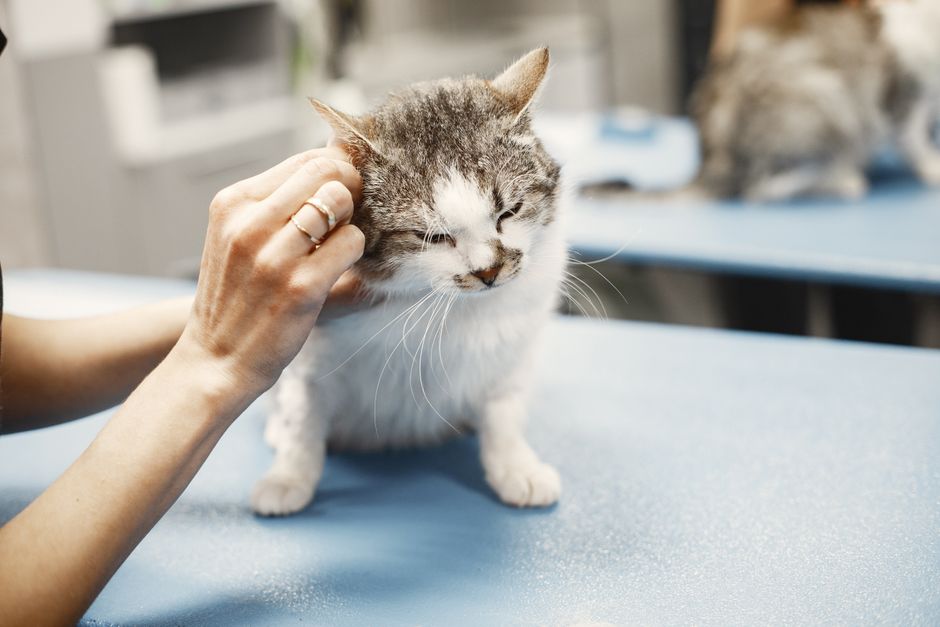
Pets can experience allergies just like people, but their symptoms often show up in subtle or unexpected ways. Key signs that your dog or cat may be suffering from fall allergies include persistent scratching, licking at the paws or belly, and red or irritated skin. You might also notice hair loss, frequent ear infections, or watery eyes. In some cases, pets develop hives, hot spots, or scabs from excessive scratching or grooming. Respiratory signs are less common in cats and dogs than in people, but sneezing, coughing, or nasal discharge can occur if pollen counts are high or if your pet is especially sensitive.
If your pet seems restless, is chewing their feet after walks, or is rubbing their face along the carpet, these may all point to an allergic reaction. For cats, overgrooming or sudden changes in coat quality can be important clues. Because fall allergies often overlap with other skin and health conditions, a comprehensive pet exam in the comfort of your home can help distinguish allergies from other causes and set your companion on the path to relief.
Common Causes of Fall Allergies in Summit County
Fall in Summit County brings a unique set of environmental changes that can trigger allergies in pets. The crisp air carries an influx of pollens from ragweed, sagebrush, and other late-blooming weeds that thrive in high-elevation meadows. Decaying leaves and seasonal molds can also become more prevalent as moisture and organic debris accumulate in yards and parks. Pets that spend time outdoors may come into contact with allergens through their skin and paws, or inhale particles while sniffing around fallen foliage.
In addition to environmental triggers, indoor allergens such as dust mites and molds may become more concentrated as windows close and heating systems turn on. Some pets are also allergic to fleas, and while flea populations are generally lower in the mountains, even a single bite can set off an allergic flare in sensitive animals. Because each pet’s immune system is unique, allergy testing may be recommended to pinpoint exactly what is causing your dog or cat’s symptoms and guide targeted treatment.
In-Home Veterinary Solutions for Fall Allergies
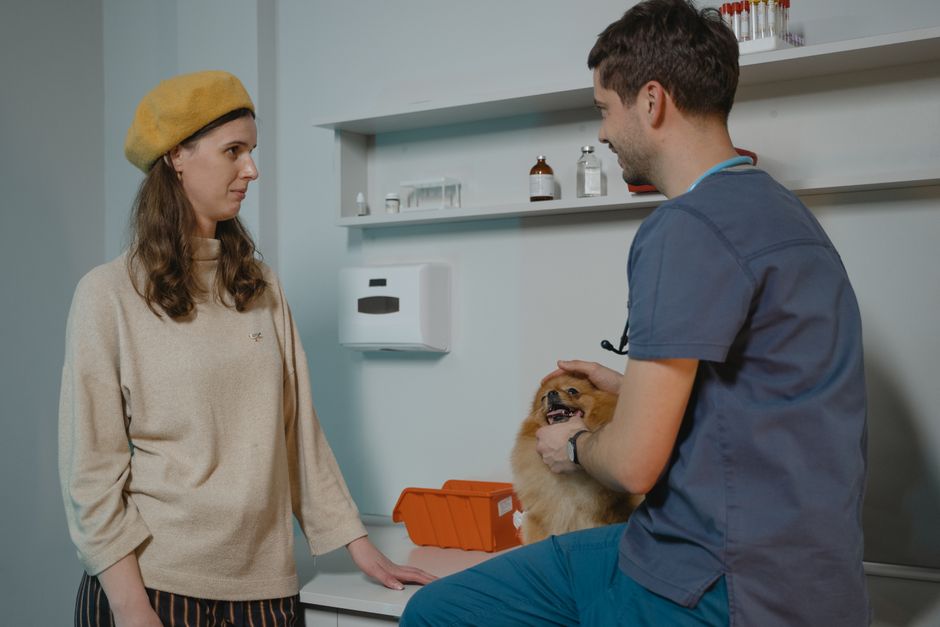
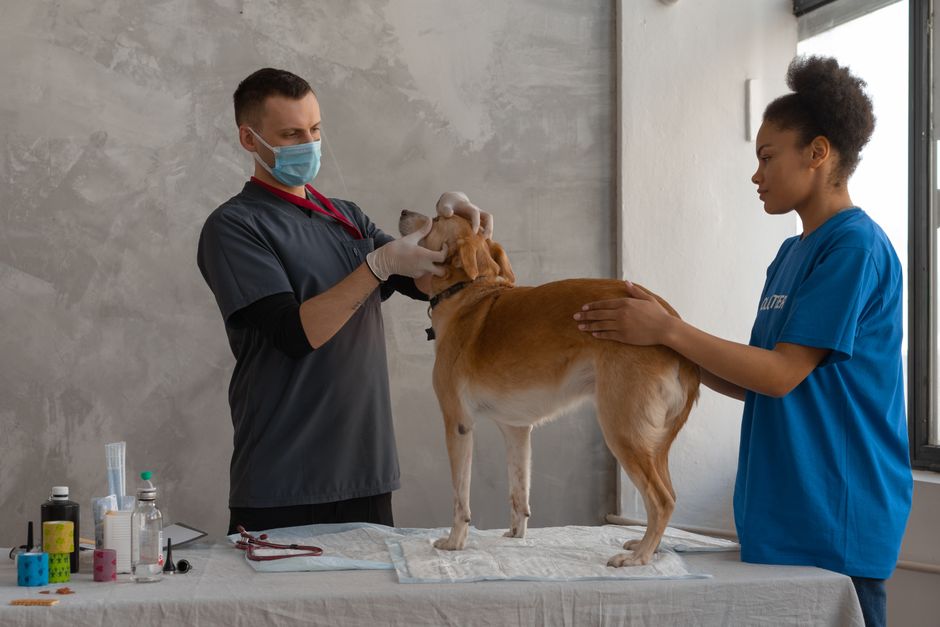
When allergies strike, getting your pet relief quickly and comfortably is a top priority. Passion Fur Paws brings a full range of veterinary allergy care right to your door, minimizing the stress that comes with travel and unfamiliar clinic settings. During an in-home visit, our veterinarians will start with a thorough history and physical examination, paying special attention to your pet’s skin, ears, and overall comfort. If allergies are suspected, we may recommend diagnostic options such as skin cytology, fungal cultures, or allergy testing services to determine specific triggers.
Treatment approaches for fall allergies in pets often involve a combination of strategies. Medicated shampoos and topical therapies can soothe irritated skin and help remove allergens from the coat. Prescription antihistamines or anti-itch medications may provide symptom relief, while fatty acid supplements can support skin health and reduce inflammation. For more severe or chronic cases, our veterinary professionals may suggest immunotherapy, which is a long-term approach designed to desensitize your pet’s immune system to specific allergens. Every treatment plan is tailored to your pet’s unique needs and lifestyle, ensuring maximum comfort and the best possible results—all delivered in the serenity of your own home.
Practical Home Care and Prevention Tips
While professional veterinary care is crucial for managing allergies, there’s a lot pet owners can do at home to reduce allergen exposure and keep symptoms under control. Regularly wiping your dog or cat’s paws and belly after walks can help limit the amount of pollen and mold spores brought inside. Bathing your pet with a gentle, hypoallergenic shampoo as recommended by your veterinarian can also help remove surface allergens and soothe the skin. Vacuuming carpets, washing bedding, and using air purifiers may reduce indoor irritants such as dust and mold, especially as homes become more closed up during colder months.
Feeding a balanced diet rich in omega-3 and omega-6 fatty acids can promote healthy skin and provide a natural barrier against allergens. If your pet is sensitive to mosquito or flea bites, keeping up with appropriate parasite prevention—even in fall—remains important. Avoiding walks during peak pollen times, usually early morning and late afternoon, can help limit exposure. When in doubt, consult with your veterinary team to develop a routine tailored to your pet’s needs and your home environment.
When to Seek Professional Veterinary Care
Some allergy symptoms are mild and respond well to simple home remedies, but there are times when professional help is essential. If your pet’s scratching, licking, or chewing becomes constant, if you notice open sores, persistent ear infections, or changes in behavior such as lethargy or loss of appetite, it’s time for a veterinary evaluation. Sudden swelling of the face, difficulty breathing, or collapse are true emergencies and require immediate care.
For ongoing or recurrent symptoms, an in-home pet examination can help clarify the diagnosis and ensure your pet receives the most effective treatment. Our mobile veterinary professionals are experienced in managing allergy cases in Summit County’s unique environment and can adjust care as your pet’s needs change with the seasons. Don’t wait for symptoms to worsen; early intervention can make all the difference in your pet’s comfort and long-term health.
Compassionate, Stress-Free Allergy Relief—Right at Your Door
At Passion Fur Paws, we believe every pet deserves to enjoy autumn’s beauty without the misery of allergies. Our mobile veterinary services are designed for convenience, comfort, and the highest standard of care, serving Summit County and surrounding communities with commitment and compassion. If you’re searching for a mobile vet near me who can bring relief to your dog or cat right in your living room, our team of veterinarians is here to help.
Whether you need allergy testing for pets, an in-depth pet examination, or guidance on managing seasonal symptoms, we come to you with solutions tailored to your companion’s unique needs. Don’t let fall allergies keep your pet from enjoying their favorite hikes, cuddles, or playtime. Contact Passion Fur Paws today at (970) 210-6674 to schedule a stress-free home visit and give your pet the comfort they deserve this season.
Medical Disclaimer: This blog is intended for informational purposes only and does not replace professional veterinary care. If your pet is experiencing severe symptoms or a sudden change in health, seek immediate veterinary assistance.