Preparing Pets for Cold Weather Veterinary Visits in Summit County
Preparing Pets for Cold Weather Veterinary Visits in Summit County
As the crisp chill of November sets in across Summit County, Colorado, many pet owners start to wonder how best to keep their dogs and cats comfortable and healthy during veterinary visits. For families who rely on Passion Fur Paws’ mobile veterinary services, preparing your pet for an in-home appointment during the colder months requires a bit of planning and a focus on stress-free comfort. Whether you have a playful puppy, a senior cat, or a pet with special needs, anticipating how cold weather can impact your veterinary visit ensures a smooth experience for everyone—especially your pet.
At Passion Fur Paws, we understand the unique challenges that winter brings to pet owners in Summit County and surrounding communities. Our mobile veterinary team is committed to providing comprehensive, compassionate care right in the comfort of your home, no matter how low the temperatures drop outside. This blog will guide you through recognizing when your pet may be affected by the cold, understanding how chilly weather can influence in-home care, and taking practical steps to make your next mobile vet visit as comfortable and successful as possible. We will also share local insights to help you make the most of our services during the winter season. For new clients, preparing in advance with our new client form can help ensure a seamless appointment.
Recognizing When Cold Weather Affects Your Pet’s Vet Visit
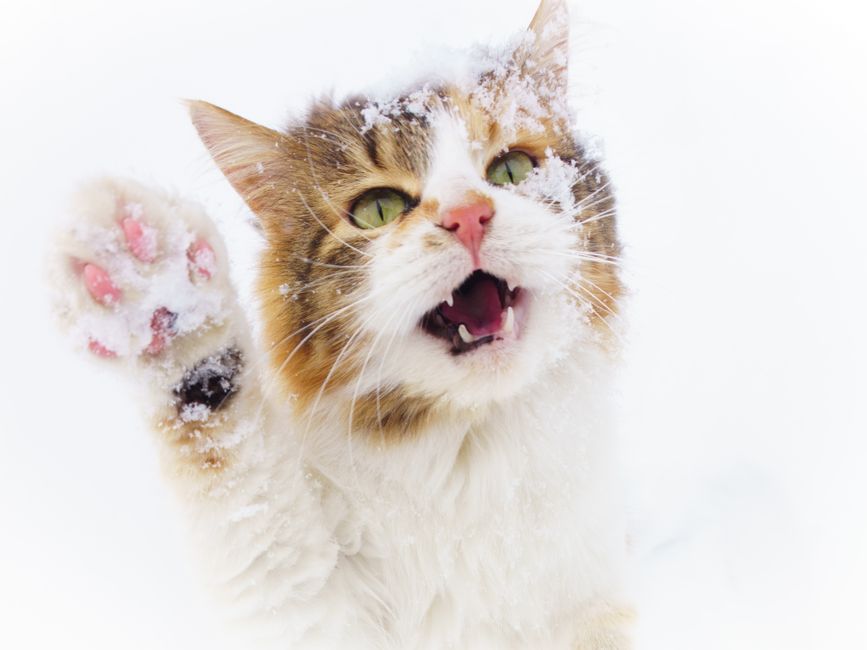
Not every pet reacts to cold weather in the same way. While some dogs thrive in the snow, others may experience discomfort or anxiety during colder months—especially when strangers visit the home or routines change. Cats, in particular, are known for seeking out warm, quiet spaces, and may be more sensitive to chilly drafts or unfamiliar activity near their favorite hiding spots.
Common signs that your pet may be affected by colder temperatures during a veterinary visit include increased shivering, reluctance to leave their warm spot, or hiding when unfamiliar sounds occur. Additionally, pets with arthritis, senior animals, and those with thin coats are more likely to show stiffness or discomfort as temperatures drop. You might also notice that your pet is more anxious than usual during the hustle of setting up for a home appointment, especially if doors are opening and closing more often or if equipment is being brought inside from the cold.
Understanding these signs helps you anticipate your pet’s needs and communicate any concerns to the veterinary team before or during your in-home visit. If your pet has recently seemed more sensitive to cold, now is the perfect time to discuss those observations with our veterinarians.
Why Cold Weather Matters: The Impact on In-Home Veterinary Care
Winter in Summit County can bring freezing temperatures, icy pathways, and sudden snowstorms. These conditions not only affect travel and outdoor activities but can also influence how pets respond to mobile veterinary visits. For in-home appointments, the comfort and safety of your pet—and our veterinary team—are top priorities.
Cold, dry air can aggravate existing health issues such as arthritis or respiratory conditions. Senior pets are particularly vulnerable, as their joints may become stiffer and mobility can decrease in colder environments. The excitement or anxiety of a veterinary visit combined with chilly drafts can make some pets more nervous, causing them to hide or resist handling.
Additionally, cold weather can increase the risk of slips or falls for both pets and people, especially if walkways are icy or snow-covered. For homes with multiple pets, the need to keep everyone warm and secure during the visit can require some extra preparation. Ensuring that your pet’s environment is warm and calm not only puts your pet at ease but also allows our veterinary professionals to provide thorough, attentive care without unnecessary stress.
How to Prepare Your Pet and Home for a Winter Mobile Vet Visit
Thoughtful preparation goes a long way toward making your in-home veterinary appointment a positive experience, even when the weather outside is frightful. Steps you can take include making sure your home is comfortably warm before the veterinary team arrives. This means checking that the examination area is free from drafts and has adequate lighting for the veterinarian to perform exams or procedures.
For pets who are anxious around visitors, setting up a familiar, cozy space—such as their favorite bed or blanket—can help them feel secure during the visit. If you know your dog or cat is easily startled by new people or equipment, consider completing our stressed pet survey before your appointment to help our veterinarians tailor the visit to your pet’s unique needs.
If your pet is prone to slipping on hard floors, laying down a rug or towel in the examination area can reduce the risk of falls. For cats or small dogs, warming a towel in the dryer for a few minutes beforehand provides comfort during chilly appointments. For senior pets or those with mobility issues, gently encouraging them to move around the house before the veterinary team arrives can help ease stiffness and improve circulation.
Lastly, be mindful of icy walkways or steps leading up to your home. Clearing snow and ice ensures the veterinary team can safely bring equipment inside and reduces the risk of accidents for everyone involved.
Understanding the Role of the Veterinary Team During Cold Weather Visits
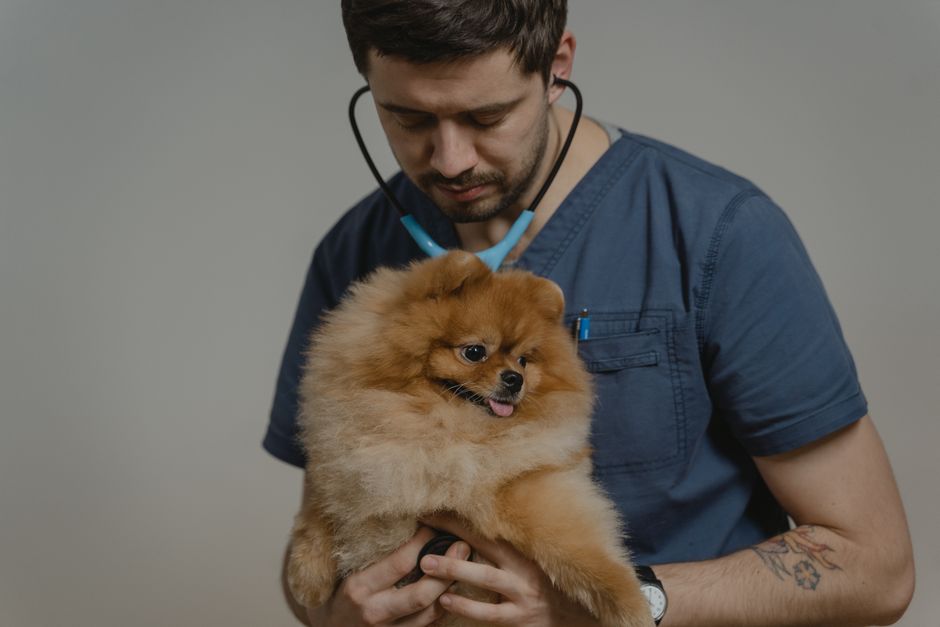
The veterinary professionals at Passion Fur Paws are experienced in adapting to Summit County’s winter conditions. When we arrive at your home, we prioritize your pet’s comfort and safety, taking extra care to minimize exposure to cold air and to keep the environment as calm as possible.
Our mobile service is well-equipped for winter appointments, bringing portable diagnostics, warm bedding when necessary, and the ability to perform many procedures right in your living room. We are prepared to handle everything from routine pet examinations to emergency situations, all while maintaining a gentle, stress-free approach that puts your pet at ease.
Communication is essential during these visits. Letting our team know about any recent changes in your pet’s behavior, appetite, or activity level—especially those that seem related to the cold—helps us provide the most effective care possible. If your pet has a history of anxiety during vet visits, sharing those details allows us to incorporate calming techniques or recommend additional support.
Home Care Tips to Keep Your Pet Comfortable in the Cold
Beyond preparing for the veterinary visit itself, maintaining a warm and healthy environment for your pet throughout the winter is key. Simple adjustments, such as elevating your pet’s bed off cold floors or providing extra blankets, can make a big difference in comfort. Pets with arthritis benefit from joint supplements and gentle, regular movement to prevent stiffness.
Monitor your pet’s water intake, as heaters and dry indoor air can lead to dehydration. For outdoor breaks, limit exposure time and check paws for signs of ice, salt, or irritation. Senior pets and those with chronic conditions may require more frequent check-ins with the veterinary team to monitor their health as temperatures fluctuate.
If your pet is due for vaccinations or a wellness check, scheduling before severe winter weather sets in can help you avoid travel concerns and ensure your pet is protected from seasonal illnesses. Our team is happy to provide guidance on pet vaccination services tailored to your pet’s lifestyle and risk factors.
When to Seek Veterinary Care During Cold Weather
While many wintertime concerns can be managed at home, there are times when prompt veterinary attention is essential. Signs that indicate your pet needs immediate care include persistent shivering, difficulty breathing, severe lethargy, limping that worsens in the cold, or sudden changes in appetite or behavior. Pets with pre-existing health conditions, such as heart disease or diabetes, may be at increased risk for complications during cold weather and should be monitored closely.
If you notice any of these symptoms, or if your pet seems unusually distressed during a cold snap, do not hesitate to contact the veterinary team. For urgent issues, Passion Fur Paws offers emergency care and can guide you on the next steps to keep your pet safe and comfortable. You can find more information about our emergency veterinary care options and hours on our website.
Remember, it is always better to err on the side of caution when it comes to your pet’s well-being. Our veterinarians are here to answer your questions, provide reassurance, and deliver expert care in the comfort of your home.
Making the Most of Your Mobile Veterinary Experience in Summit County
Choosing in-home care with Passion Fur Paws means your pet receives personalized attention with minimal stress, even as winter brings new challenges. Our mobile veterinary service covers Summit County and surrounding communities, ensuring that comfort, safety, and convenience remain top priorities throughout the cold season.
To help your appointment go smoothly, consider reviewing our travel schedule to find the best time for your location and needs. Planning ahead and communicating any special requirements ensures that both you and your pet have a positive experience—no matter what the Colorado weather brings.
If you are searching for a "mobile vet near me" this winter, look no further than Passion Fur Paws. Our team of veterinarians is dedicated to making each visit as comfortable and stress-free as possible, prioritizing your pet’s health and happiness through every season.
For more information or to schedule your next in-home appointment, call (970) 210-6674 or visit our website. Let us help you keep your pets safe, healthy, and cozy all winter long with expert mobile veterinary care in Summit County.
This blog is for informational purposes only and does not replace professional veterinary advice. Always consult with a veterinarian for specific medical concerns regarding your pet.