Winter Paw Care for Cats and Dogs in Summit County
Winter Paw Care for Cats and Dogs in Summit County
As the snow starts piling up in Summit County and the temperatures dip, many pet owners find themselves worrying about the challenges winter brings for their dogs and cats—especially when it comes to paw health. Ice, salt, and frigid sidewalks can turn a simple walk into a source of discomfort or even injury for your pet. At Passion Fur Paws, we understand how important your pet’s comfort and safety are during the cold season. That’s why our mobile veterinary team is dedicated to providing comprehensive in-home care across Summit County and surrounding communities, bringing diagnostics, treatment, and personalized advice right to your door. In this blog, we’ll guide you through the most common winter paw concerns, explain why they happen, and share practical strategies for keeping your pet’s feet healthy and pain-free—all with the compassionate, stress-free approach you expect from home veterinary visits. If you notice any signs of discomfort or injury, our veterinary professionals are just a call away for in-home support or mobile urgent care when your pet needs it most.
How to Recognize Winter Paw Problems in Your Pet
Monitoring your cat or dog’s paws during winter is essential for early detection of problems. Key symptoms of winter paw troubles include limping or favoring one foot, excessive licking or chewing at the paws, visible cracks or redness between the toes, and reluctance to go outside. In some cases, you might notice your pet trying to shake snow or ice off their feet or hesitating on salted walkways. For cats, you may see them grooming their paws more frequently after being outdoors. Other warning signs to watch for are bleeding, swelling, or a sudden change in your pet’s willingness to walk or play outside.
If your pet has recently been on salted sidewalks or in deep snow, pay close attention to any immediate signs of discomfort. Small pieces of ice can become wedged between their toes, while salt and chemical de-icers can irritate sensitive paw pads. Early recognition of these symptoms can make a significant difference in your pet’s comfort and help prevent minor issues from turning into bigger problems.
Why Do Winter Conditions Cause Paw Issues?
Understanding the causes behind winter paw injuries helps you take proactive steps to protect your pet. In Summit County, we’re no strangers to snow, ice, and freezing temperatures from November through March. The paw pads of dogs and cats are tough, but not invincible. Cold weather can dry out and crack the skin, while snow and ice create abrasive surfaces that wear down the protective outer layer. Salt and chemical de-icers, commonly used on sidewalks and driveways, can burn and irritate paws, causing redness, blisters, or open sores.
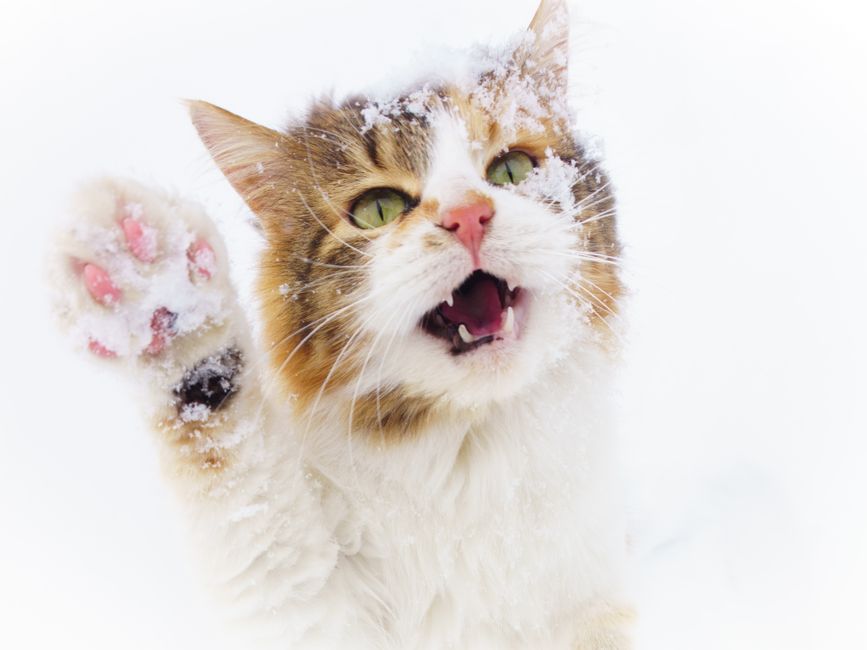
Additionally, when pets walk through snow, tiny ice balls can form between their toes and fur, leading to pain and even frostbite if not addressed quickly. Long-haired dogs and cats are particularly prone to this, but any pet can be affected. Some pets may also have naturally sensitive skin or underlying health conditions that increase their risk of winter paw problems. The combination of these environmental factors makes winter a challenging time for paw health in our high-altitude mountain communities.
Veterinary Treatment and Management for Winter Paw Injuries
When your pet experiences winter-related paw problems, prompt care makes all the difference. Our mobile veterinary team at Passion Fur Paws provides thorough in-home evaluations to assess the extent of paw injuries or irritation. Treatment approaches depend on the severity and underlying cause. For mild dryness or minor cracking, we may recommend moisturizing paw balms that are safe for cats and dogs, as well as gentle cleaning to remove any residual salt or chemicals.
If there are open sores, deep cracks, or visible bleeding, our veterinarians may apply protective bandages and prescribe topical medications to promote healing and prevent infection. In more serious cases, such as suspected frostbite or severe burns from chemical de-icers, more intensive wound care and pain management may be necessary. Our team is equipped to handle a wide range of paw problems right in the comfort of your home, minimizing stress and keeping your pet relaxed during treatment.
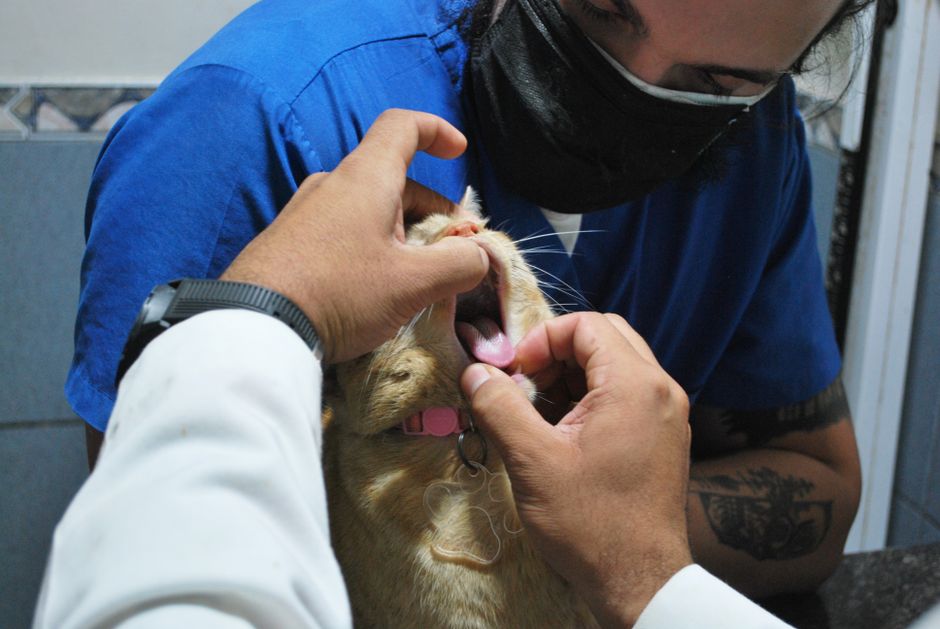
In cases where your pet is experiencing sudden or severe pain, or if you notice any signs of infection like pus, swelling, or foul odor, it’s important to contact our veterinary professionals immediately for an urgent home visit. For more details about what to expect during a winter paw evaluation, you can learn about our wellness and pet examination services for evaluating winter paw problems and overall health.
Preventing Paw Problems: Home Care Tips for Summit County Winters
Keeping your pet’s paws healthy through the winter starts with a few simple but important habits. Before heading outside, consider applying a thin layer of paw balm or petroleum jelly to create a barrier against ice and salt. Pet-safe booties are another effective way to shield your dog’s paws from harsh surfaces and chemicals; some cats may tolerate boots as well, particularly if introduced slowly and positively.
After outdoor walks or playtime, gently wipe your pet’s paws with a warm, damp cloth to remove any salt, ice, or debris. Pay special attention to the areas between the toes and pads, as this is where irritants often hide. Regularly trimming the hair between your pet’s toes can help prevent ice buildup, especially for long-haired breeds. Keep your pet’s nails trimmed, as long nails can splay the toes and increase the risk of painful cracks or splits.
If your area uses de-icers, try to avoid heavily treated sidewalks or choose pet-friendly alternatives for your own driveway. Monitor your pet’s paw pads for any signs of dryness or irritation and address minor problems early with moisturizing balms. Keeping your pet hydrated and maintaining regular exercise indoors when the weather is harsh can also support overall paw health through the winter months.
When to Call a Mobile Veterinarian for Winter Paw Concerns
Knowing when to seek professional help is crucial for your pet’s wellbeing. You should contact our mobile veterinary team if your pet is limping for more than a day, shows ongoing pain, or if you notice bleeding, deep cracks, or signs of infection such as swelling, redness, or discharge from the paws. Immediate attention is recommended for pets who are unwilling to put weight on a foot or if there’s any suspicion of frostbite, which may present as pale, cold, or blackened skin.
If your pet’s condition seems urgent or you’re unsure whether an issue is minor or serious, it’s always better to err on the side of caution and schedule a home visit. Our veterinarians can diagnose the problem, provide effective treatment, and offer advice for ongoing care—right where your pet feels safest. For those times when a winter paw problem turns into an emergency, our emergency veterinary care team is ready to help.
Why In-Home Veterinary Care Makes Winter Paw Treatment Easier
Choosing a mobile vet for your cat or dog’s winter paw problems offers significant advantages. Our in-home approach means your pet avoids stressful car rides and unfamiliar clinic environments—especially important for pets already uncomfortable due to paw pain. The stress-free setting allows our veterinary professionals to observe your pet’s behavior in their normal environment, leading to more accurate assessments and personalized advice.
We serve Summit County and surrounding communities with flexible scheduling and a commitment to compassionate care. Whether your pet needs a quick paw check, ongoing management of chronic skin issues, or emergency help after a winter accident, we bring the expertise and technology of a full-service clinic right to your doorstep. Our goal is to keep your pet healthy, happy, and comfortable all season long.
Keeping Your Pet’s Paws Healthy All Winter Long
Protecting your pet’s paws from the challenges of winter in Summit County is all about early recognition, proactive care, and timely veterinary support. By watching for warning signs, practicing simple home care routines, and reaching out for veterinary help when needed, you’ll help your dog or cat enjoy the snowy season safely. Passion Fur Paws is proud to offer in-home and mobile veterinary care designed for the unique needs of local pets and their families. If you have any questions about winter paw care, need a comprehensive pet exam, or want to discuss urgent concerns, our compassionate veterinary team is here to help.
Finding a reliable "mobile vet near me" for winter paw problems is as simple as calling Passion Fur Paws. To schedule an in-home visit or speak to our veterinary professionals, call (970) 210-6674. We look forward to providing your pet with the highest-quality care—right in the comfort of your home. For more information about our services or to request an appointment, visit our wellness and pet examination page or reach out to our Summit County, CO location today.
This blog is intended for informational purposes only and should not replace professional veterinary care. If your pet is experiencing severe pain or sudden changes in health, contact a veterinarian immediately.