Common Mistakes With Dental Cat Food and Oral Health
Common Mistakes With Dental Cat Food and Oral Health
If you are like many cat owners in Summit County, you want to do everything possible to keep your cat’s teeth healthy and their breath fresh. Dental cat food is frequently marketed as a simple solution for feline oral health, but what are some common mistakes pet owners make with how dental cat food helps clean teeth? At Passion Fur Paws, we know how confusing it can be to sort through all the information about what’s best for your cat’s mouth. Our mobile veterinary team provides stress-free in-home care throughout Summit County and surrounding communities, so we see firsthand the misunderstandings that can lead to missed opportunities for better dental health. In this blog, we will explore the realities of dental diets, debunk some myths, and explain how in-home veterinary care can help your cat achieve their healthiest smile year-round.
Recognizing Dental Problems in Cats: What to Watch For
Understanding the signs of dental disease in cats is essential, especially since many felines tend to hide discomfort. Common symptoms include bad breath, difficulty chewing or dropping food, visible tartar or red gums, pawing at the mouth, and changes in appetite or behavior. Cats may also become less social or hide more if their mouth is sore. These subtle changes often go unnoticed until dental disease has progressed, which is why regular check-ins and staying alert to these signs are so important.
The Truth About Dental Cat Food: How Does It Actually Work?
One of the most widespread misconceptions surrounding feline dental health is the belief that simply feeding a dental diet will keep your cat’s teeth clean. To address what are some common mistakes pet owners make with how dental cat food helps clean teeth, it’s important to understand the science behind these products.
Dental cat foods are designed with larger kibble and a specific texture that encourages chewing. This mechanical action can help reduce plaque on the biting surfaces of the teeth—mainly the premolars and molars. Some formulas also contain added minerals or enzymes intended to slow tartar buildup. However, these diets are not a cure-all. Many cats, especially those who swallow kibble whole or prefer wet food, may not receive the intended benefit. The effectiveness of dental diets is limited by your cat’s eating habits, the location of tartar buildup (often along the gumline, where food rarely makes contact), and the presence of pre-existing dental disease.
Additionally, relying solely on dental food can lead to missed diagnoses. Cats with underlying periodontal disease, broken teeth, or resorptive lesions will not be “cured” by diet alone. Dental food should be viewed as one tool in a comprehensive oral health plan, not a replacement for professional veterinary evaluations and cleanings.
Common Mistakes Pet Owners Make With Dental Cat Food
When considering what are some common mistakes pet owners make with how dental cat food helps clean teeth, several patterns emerge in our mobile practice here in Summit County. A frequent error is assuming that switching to a dental diet eliminates the need for professional dental cleanings. In reality, even the best dental food cannot address tartar and plaque that have already hardened below the gumline. Another mistake is offering dental kibble as an occasional treat rather than as the cat’s main diet. Consistency is key for these foods to offer any benefit.
Some owners also overlook the importance of monitoring their cat’s eating habits. If your cat is not actually chewing the kibble or prefers wet food only, the intended mechanical cleaning effect is lost. Lastly, there is a misconception that dental diets are appropriate for all cats. Cats with certain health conditions, such as kidney disease or food allergies, may not be candidates for these diets, making it crucial to discuss dietary changes with your veterinary team.
Professional Dental Care: Beyond Diet Alone
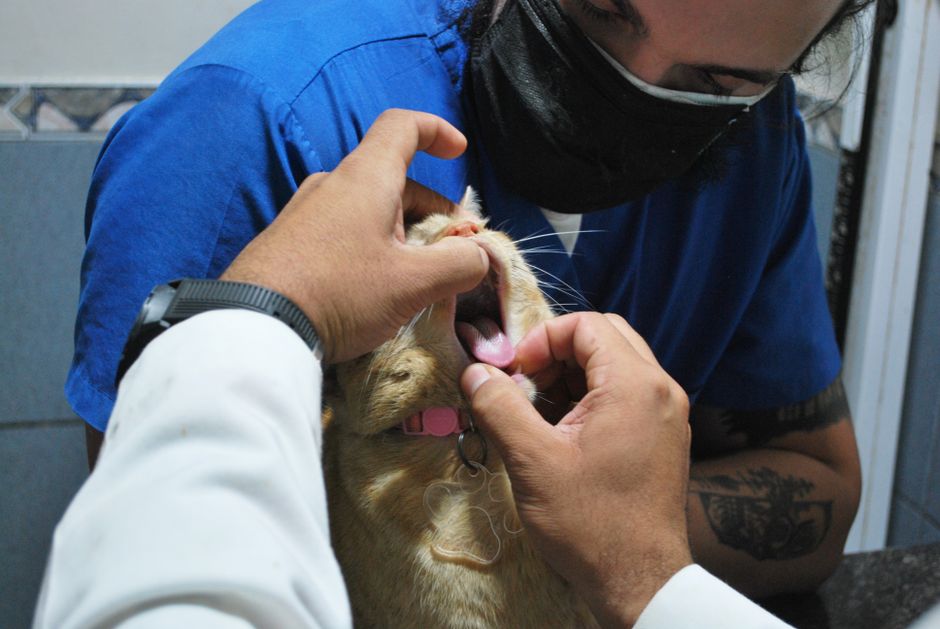
While dental diets play a role in supporting oral health, nothing replaces the benefits of a thorough professional dental cleaning. During an in-home visit, our mobile veterinary team can assess your cat’s teeth and gums, identify hidden problems, and recommend appropriate next steps. Professional cleanings allow for the removal of tartar both above and below the gumline, which is essential for preventing periodontal disease.
For cats with more advanced dental issues, services such as pet dental cleanings, dental radiography, and even pet oral surgery may be necessary. Dental radiographs help our veterinarians see what’s happening beneath the surface, including root health and bone loss, guiding more effective treatment plans. In-home veterinary care makes these services less stressful for your cat by providing them in a familiar environment, reducing anxiety and minimizing the risk of complications.
At-Home Dental Care: Steps Cat Owners Can Take
Supporting your cat’s dental health goes beyond what’s in their food bowl. Daily tooth brushing is the gold standard for plaque control; using a cat-safe toothpaste and a soft brush, gradually introduce your cat to the process for best results. Dental treats and toys designed to promote chewing can also contribute to oral health, though these should complement, not replace, other measures. Monitoring your cat’s mouth for changes in breath odor, gum color, or eating habits is essential. Additionally, offering regular in-home dental evaluations with our mobile team ensures that minor problems are caught before they become major concerns.
When to Seek Veterinary Care for Your Cat’s Teeth
If you notice signs such as persistent bad breath, difficulty eating, swelling around the mouth, excessive drooling, or visible blood in the saliva, it’s time to schedule a veterinary dental visit. Cats can develop painful conditions rapidly, and early intervention is key to preserving their overall health and comfort. Our mobile veterinary team at Passion Fur Paws is equipped to perform a comprehensive oral examination, discuss the role of dental diets, and create a customized care plan for your cat—all in the comfort of your home.
Why In-Home Dental Care in Summit County Makes a Difference
Choosing in-home veterinary care offers unique advantages for both you and your cat. Stress-free home visits mean less anxiety, easier handling, and a more thorough examination. Our team covers Summit County and surrounding communities, providing advanced dental diagnostics and treatments with the convenience of not having to leave your living room. This approach is especially beneficial for cats, who often experience significant stress with travel or clinic environments. Whether your cat needs a routine dental checkup, advanced diagnostics like dental radiography, or even tooth extractions, our mobile team ensures their care is as comfortable and effective as possible.
Bringing It All Together: Your Cat’s Best Smile Starts at Home
Staying proactive about your cat’s oral health means knowing what are some common mistakes pet owners make with how dental cat food helps clean teeth. While dental diets can be a helpful part of your cat’s oral care routine, they are not a substitute for professional cleanings, daily brushing, and regular veterinary evaluations. In-home care with Passion Fur Paws allows for a comprehensive, personalized approach that minimizes stress and maximizes results for cats across Summit County.
If you are searching for a mobile vet near me who understands the unique needs of cats and offers advanced dental care right in your home, our veterinary team is here to help. To schedule a dental evaluation or learn more about our pet dental cleaning services in Summit County, contact Passion Fur Paws at (970) 210-6674 today. Your cat’s healthiest, happiest smile is just a home visit away.