Keeping Pets Cool During Mountain Summers in Summit County
Keeping Pets Cool During Mountain Summers in Summit County
Summit County’s mountain summers may be milder than the plains, but pet owners know that sun-filled days at high altitude can still pose risks for dogs and cats. Even in the cooler air, intense sunlight and sudden warm spells can quickly turn a pleasant afternoon into a dangerous situation for your pet, especially in homes or vehicles without air conditioning. At Passion Fur Paws, we understand that your four-legged family members deserve the same comfort and protection you’d want for yourself. Our mobile veterinary service is dedicated to providing in-home care throughout Summit County and surrounding communities, so your pets can stay healthy and relaxed even when temperatures climb.
In this blog, we’ll explore how to recognize the signs that your dog or cat may be overheating, why heat risk is unique in our mountain climate, and practical steps you can take to keep your pets cool and hydrated. We’ll also cover when it’s time to call for professional help, and how our mobile veterinary team can support your pet’s health right in the comfort of your home. Whether you live in Breckenridge, Frisco, Silverthorne, or anywhere nearby, Passion Fur Paws is here to help you keep your pets safe from summer’s hidden heat hazards.
Recognizing the Signs of Overheating in Dogs and Cats
Many pet owners are surprised to learn that heat stress can affect pets even when temperatures seem moderate. Key symptoms of overheating in dogs include excessive panting, drooling, red or pale gums, weakness, vomiting, diarrhea, or even collapse. Cats, on the other hand, may hide, pant (which is unusual for felines), appear restless, or groom themselves excessively in an attempt to cool down. In both species, a rapid heart rate and glazed eyes are additional warning signs. It’s important to remember that certain pets—such as those with thick coats, flat faces (like Bulldogs or Persians), older pets, or animals with chronic medical conditions—are at much higher risk of overheating even if the thermometer doesn’t seem alarming.
Some situations to watch for include a dog that becomes lethargic after a sunny walk, a cat that refuses to eat during a hot afternoon, or any pet that seems distressed after spending time in a sunlit room. Even on mild Colorado days, the sun’s intensity at altitude can quickly turn patios, parked cars, and south-facing windows into danger zones for pets.
Why Mountain Heat Is a Hidden Threat for Pets
Colorado’s high-elevation climate can be deceptive when it comes to heat risk. While temperatures in Summit County may not soar as high as in Denver or the Front Range, several factors increase the hazard for pets. The thinner mountain air holds less moisture, so dogs and cats can become dehydrated more quickly, especially if they’re active outdoors. Additionally, the sun’s rays are stronger at altitude, meaning pets can overheat or suffer sunburn with less exposure than you might expect.
Homes in Summit County are often designed to keep heat in during winter, which means they can trap warmth inside during a stretch of sunny summer days. Many homes lack air conditioning, so indoor temperatures may climb over several hours. Pets left in vehicles face an even greater risk; even with windows cracked, the interior can become dangerously hot within minutes, far outpacing the outdoor air temperature.
Pet owners should also consider how humidity, altitude, and wind can mask the true heat load on a pet’s body. A dog may not seem distressed at first, but as dehydration and heat accumulation set in, symptoms can appear suddenly and progress rapidly.
Professional Management and In-Home Veterinary Solutions
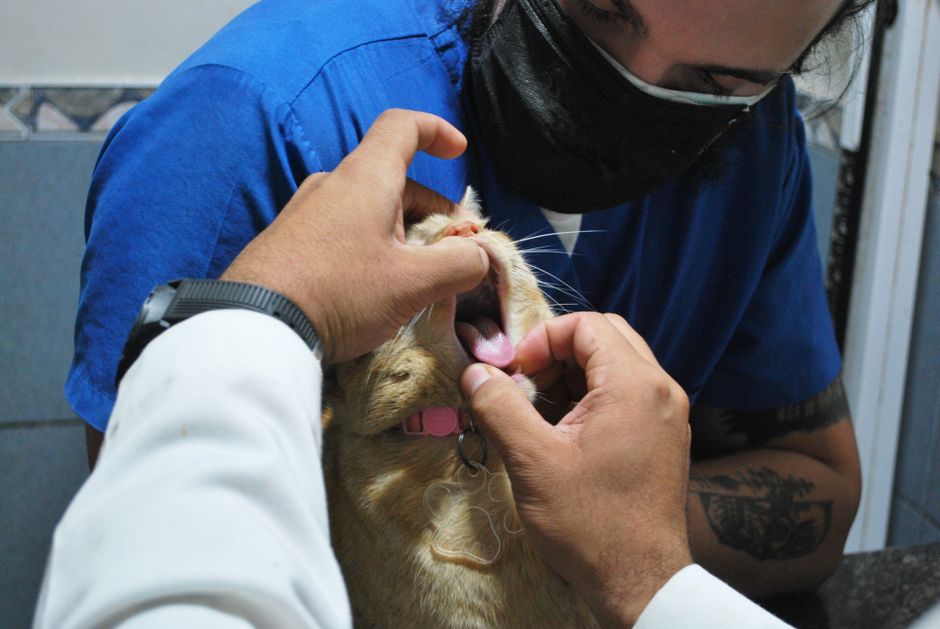
When pets show signs of heat stress, prompt action is critical. Our mobile veterinary service at Passion Fur Paws is equipped to help your dog or cat recover from mild to moderate heat-related concerns in the comfort of your home. During a home visit, our veterinary team can perform a thorough assessment, check vital signs, and provide supportive care such as intravenous fluids or oxygen therapy when appropriate. We also offer advanced diagnostics, including pet diagnostic laboratory services and digital radiology diagnostics right at your doorstep, allowing us to rule out underlying medical issues that could make your pet more vulnerable to the heat.
For senior pets or those with chronic health conditions, our senior and geriatric pet care services can help manage ongoing risks and create personalized summer care plans. If your pet is experiencing severe symptoms such as collapse, seizures, or unconsciousness, immediate intervention is vital. Our mobile team can provide emergency stabilization and guide you on the safest next steps, whether that means continued at-home care or rapid transport to a higher-level facility.
Preventing Heat Stress: Simple Steps for Cool, Comfortable Pets
Prevention is always the best medicine when it comes to heat-related problems. To keep your pets cool during mountain summers, focus on hydration, shade, and limiting sun exposure. Make sure your dogs and cats have access to fresh, cool water at all times, and refresh bowls frequently, as pets may drink more during warm spells. Place water bowls in multiple locations, especially where your pet likes to nap or play.
When spending time outdoors, schedule walks or play sessions in the cooler parts of the day—early morning or late evening. At home, close blinds or curtains on sun-facing windows, provide fans if possible, and let pets choose cool, shaded spots for resting. Some pets enjoy lying on cool tile, while others may appreciate a damp towel or special cooling mat.
Never leave pets unattended in vehicles, even for a short errand; temperatures inside can skyrocket quickly, even if it feels mild outside. Consider skipping car rides during warm weather unless absolutely necessary. For homes without air conditioning, keep windows open for cross-breeze, and monitor indoor temperatures closely.
Grooming can also play a role in heat management; while it’s important not to shave double-coated breeds (their fur often provides natural insulation), regular brushing can help remove excess undercoat and keep them cooler. For flat-faced breeds, seniors, and pets with medical issues, extra vigilance is needed, as they are less able to regulate their own body temperature.
When to Call for Veterinary Help
If you notice your pet showing signs of heat stress such as relentless panting, drooling, weakness, vomiting, or if your cat is panting or hiding more than usual, it’s time to take action. Start by moving your pet to a cooler area, offering small sips of water, and applying cool (not cold) towels to their paws and belly. However, if symptoms persist beyond a few minutes, worsen, or if your pet seems disoriented, collapses, or has a seizure, prompt veterinary care is essential.
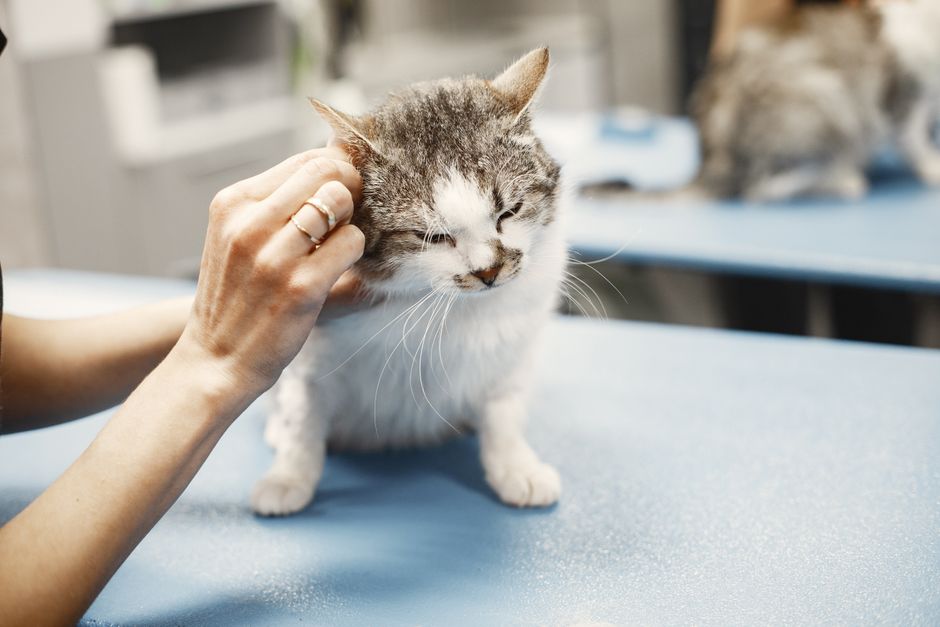
Our team at Passion Fur Paws is ready to provide in-home evaluations for heat-related problems and can advise you on whether your pet needs advanced care. Mobile veterinary visits are especially helpful for pets who are already stressed or anxious, as we can assess and treat your pet in a familiar, comfortable environment without adding the anxiety of travel or waiting rooms. If your pet’s symptoms are severe or if you are ever in doubt, don’t hesitate to seek emergency help; heatstroke can progress rapidly and may be life-threatening if not treated immediately.
Making the Most of Mobile In-Home Care in Summit County
One of the greatest advantages of choosing a mobile veterinary service is that we come to you, minimizing stress for your pets and providing care right where they feel most secure. Whether you’re a full-time resident or visiting the mountains with your dog or cat, our mobile team is equipped to handle preventive care, urgent concerns, and ongoing wellness—all in your home.
For year-round peace of mind, consider scheduling a wellness examination to establish your pet’s baseline health, review summer safety strategies, and catch underlying issues before they become problems. Our team can also help you develop tailored hydration, exercise, and grooming routines suited to your pet’s age, breed, and lifestyle.
By planning ahead and partnering with a local mobile veterinary team, you can enjoy all that Summit County’s summers offer while keeping your pets safe, comfortable, and healthy.
Your Local Partner for Stress-Free Summer Pet Care
Mountain summers in Summit County are a time for adventure, relaxation, and making memories with your pets. By staying alert to the signs of overheating, understanding how our unique climate affects your dog or cat, and taking practical steps to keep them cool, you can prevent heat-related emergencies before they happen. Remember, the team at Passion Fur Paws is here to provide compassionate, convenient care in the comfort of your home, so you never have to worry about stressful car rides or clinic visits on hot days.
If you have concerns about your pet’s comfort, hydration, or health this summer, or if you are searching for a "mobile vet near me" in Summit County, reach out to our experienced veterinary professionals. You can schedule an in-home visit by calling (970) 210-6674 or by visiting our website at passionfurpaws.pet. For urgent issues, our mobile team offers guidance and emergency support whenever you need it most. Together, let’s make this summer safe and enjoyable for every member of your family—paws and all.
This article is intended for informational purposes only and does not replace professional veterinary advice. If your pet is experiencing a health emergency, seek immediate care from a licensed veterinarian.