Preparing Pets for Back-to-School Changes at Home

Preparing Pets for Back-to-School Changes at Home
As the relaxed rhythms of summer shift into the back-to-school season, many pet owners in Summit County, CO notice new challenges at home. When kids return to the classroom and adults to regular routines, dogs and cats can experience confusion, loneliness, or stress as the house suddenly grows quiet. At Passion Fur Paws, we understand how these changes impact your pet’s emotional and physical health, especially when you strive to keep them calm and content in your absence. Our mobile veterinary team is dedicated to helping families in Summit County and the surrounding communities ease these transitions with compassionate, in-home care and support. In this blog, we’ll explore how to recognize signs of back-to-school stress in your pet, why these changes can be difficult, and simple strategies for preparing your furry family members for more time alone. You’ll also find guidance on when to seek veterinary support, and how our in-home visits can make a positive difference during seasonal transitions.
Recognizing Signs of Stress in Pets During Back-to-School Season
Understanding how your pet responds to routine changes is the first step in supporting their wellbeing. Many dogs and cats show subtle or obvious signs of stress when the household dynamic shifts. Common indicators of anxiety or confusion include changes in appetite, such as eating less or more than usual, and increased vocalization like barking, whining, or meowing when family members leave. You might notice your dog pacing, following you from room to room, or waiting by the door. Cats may hide more often or become clingy before you leave for the day. Other signs to watch for are destructive behaviors such as chewing, scratching, or knocking over household items, inappropriate elimination outside of the litter box or designated area, and changes in sleep patterns. Pets who are especially bonded to children may seem restless or confused by their absence, spending extra time in bedrooms or near backpacks and shoes.
If you observe these behaviors as the school year approaches, your pet may be struggling to adapt. Recognizing these early signs allows you to intervene before anxiety escalates, supporting a smoother transition for the entire family.
Why Routine Changes Affect Dogs and Cats
Routine is a source of comfort and predictability for both dogs and cats. Sudden changes—like family members leaving for longer periods during the day—can create uncertainty and stress. Dogs, as social pack animals, are especially sensitive to the absence of their favorite people. They thrive on regular walks, play sessions, and the simple joy of companionship. When the house empties out, dogs may become bored or anxious, sometimes exhibiting separation anxiety.
Cats, while often more independent, are also creatures of habit. They become accustomed to the noise, activity, and attention that comes with summer break. When the environment shifts to quiet and solitude, some cats become withdrawn, hide more, or develop unwanted behaviors such as over-grooming or vocalizing excessively.
The climate and environment in Summit County can also play a role. Cooler mountain mornings and earlier sunsets may limit outdoor activity, increasing your pet’s time spent indoors. If your pet is a senior or has underlying health conditions, these changes can be even more pronounced. Our team often sees these issues arise in late August and early September as families settle into new schedules.
How In-Home Veterinary Care Supports Your Pet’s Transition
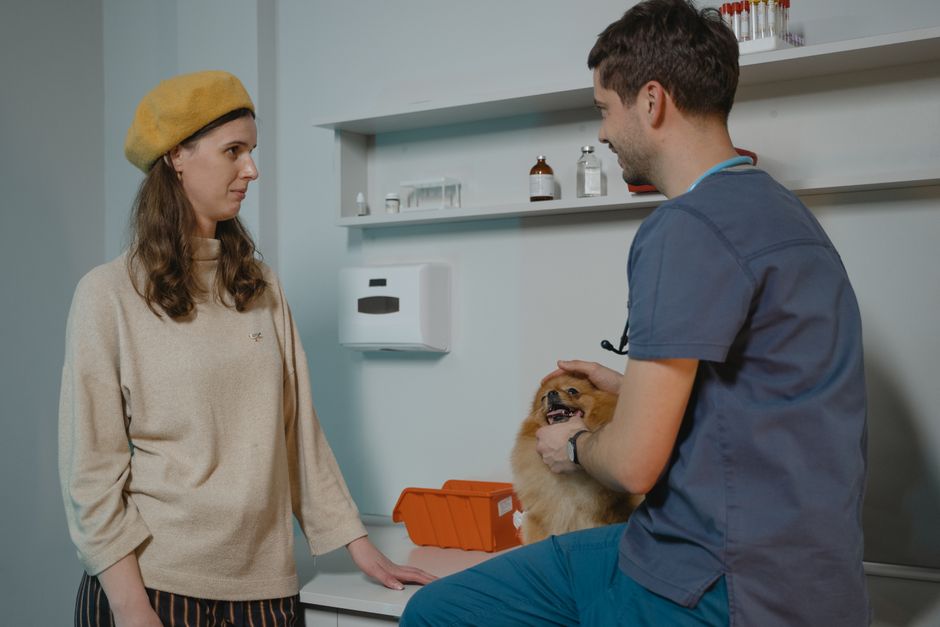
Mobile veterinary services offer unique advantages when helping pets adjust to back-to-school changes. At Passion Fur Paws, our in-home visits allow your pet to remain in a safe, familiar setting, reducing the anxiety that can come from traveling to a clinic. During a home appointment, our veterinarians can observe your pet’s environment and daily routines, offering personalized advice tailored to your household’s specific needs.
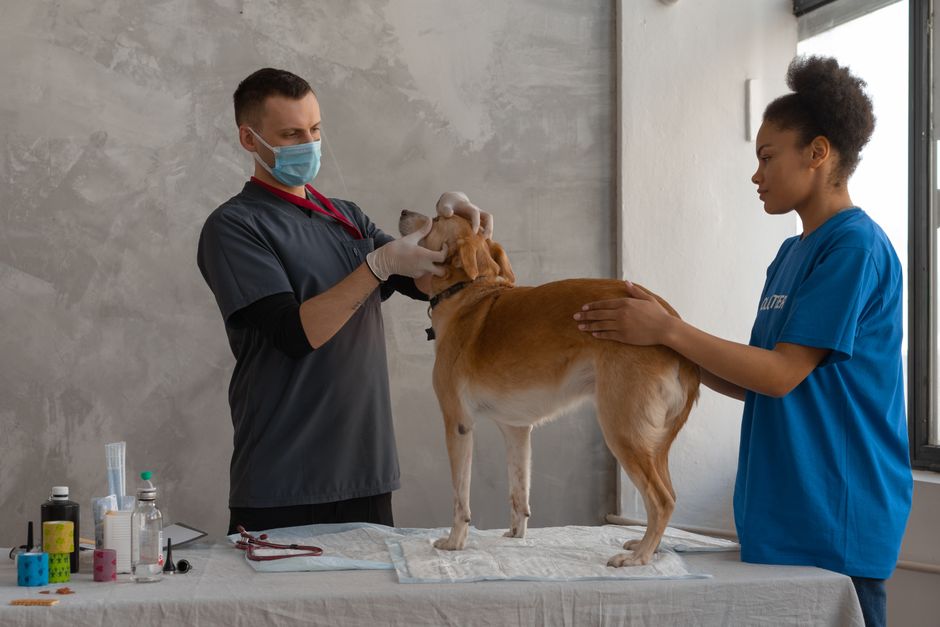
We often recommend a wellness examination for pets showing new behavioral changes. This allows us to check for underlying health concerns that may be contributing to anxiety, such as pain, arthritis, or dental issues. Our mobile team can also address senior pet needs, helping older dogs and cats who might struggle with the additional stress of routine disruptions. Learn more about our senior pet care services and how we support geriatric animals during life transitions.
In-home care also provides an opportunity to discuss behavioral strategies, environmental enrichment, and possible dietary changes. If your pet is at risk for separation anxiety, we may suggest gradual desensitization techniques, calming supplements, or interactive toys to keep them mentally stimulated while you’re away. We work collaboratively with you to develop a plan that fits your family and your pet’s unique personality.
Practical Steps to Prepare Your Pet for More Time Alone
Making the transition smoother for your dog or cat involves a combination of preparation, patience, and consistency. Start by gradually introducing your pet to periods of solitude before the school year begins. Begin with short absences, such as leaving for a walk or running errands, and slowly increase the duration as your pet becomes more comfortable. Providing a consistent daily routine, with regular feeding, walks, and playtime, helps your pet anticipate when you’ll be home.
Environmental enrichment is another key factor in keeping pets content during longer stretches alone. For dogs, rotating toys, using puzzle feeders, and offering safe chews can reduce boredom. For cats, window perches, scratching posts, and interactive toys encourage natural behaviors and prevent restlessness. Leaving a radio or television on at a low volume can provide comforting background noise, mimicking the sounds of family activity.
If your pet is especially anxious, consider using calming pheromone diffusers or sprays designed for dogs or cats. These products can help reduce stress and create a soothing atmosphere. For pets with more severe behavioral issues, reach out to our veterinary team for advice on additional strategies or medical intervention.
Making small adjustments to your morning departure routine can also help. Avoid prolonged goodbyes, which can increase anxiety; instead, keep departures calm and matter-of-fact. Offering a special treat or chew just before you leave can create a positive association with your absence.
When to Seek Veterinary Support for Back-to-School Stress
While many pets adjust with time and reassurance, some may need extra help coping with routine changes. If your dog or cat develops severe symptoms such as persistent vocalization, destructive behavior, loss of appetite, or inappropriate elimination that lasts more than a few days, it’s time to consult a veterinarian. Other warning signs include excessive panting, drooling, withdrawal from family members, or sudden aggression.
For pets with a history of separation anxiety or chronic medical conditions, professional support is especially important. Our team can perform a thorough evaluation, recommend behavioral interventions, and discuss the possibility of medication if needed. If you’re unsure whether your pet’s symptoms are stress-related or due to an underlying health issue, a comprehensive pet exam in the comfort of your home can provide peace of mind.
In urgent situations—such as self-injury, refusal to eat or drink for over 24 hours, or sudden, extreme behavioral changes—contact our mobile veterinary team promptly. We are here to provide guidance, support, and compassionate care, so your pet’s health and happiness remain the top priority throughout the school year.
Supporting Emotional Wellness: Our Commitment to Your Pet
At Passion Fur Paws, we know your pet is an important member of the family, and their wellbeing matters during every season of life. Our mobile veterinary team serves Summit County and surrounding communities with convenient, stress-free home visits tailored to your needs. Whether your pet is showing signs of back-to-school anxiety or you simply want to ensure a smooth transition into the new routine, we’re here to help with medical, behavioral, and emotional support.
If you have questions about your pet’s behavior or need guidance on managing routine changes, let us know how we can assist. For additional resources on identifying and managing stress, consider completing our My Stressed Pet Survey to assess your pet’s needs and explore next steps with our team.
Ready to Help: Your Local Mobile Vet in Summit County
Preparing your pet for back-to-school changes is a thoughtful way to support their happiness and health as your family’s routine evolves. With a little planning, patience, and support from the Passion Fur Paws veterinary team, you can help your dog or cat adjust with confidence. If you’re searching for a mobile vet near me in Summit County, or need in-home support for behavioral or medical concerns, our caring professionals are just a phone call away. Schedule an in-home visit or request more information by calling (970) 210-6674, or explore all our services at passionfurpaws.pet. We look forward to keeping your companion calm, comfortable, and thriving through every season of life.
Disclaimer: This blog is for informational purposes only and should not replace professional veterinary advice. If your pet is experiencing severe symptoms or you have urgent concerns, contact our veterinary professionals for immediate assistance.